
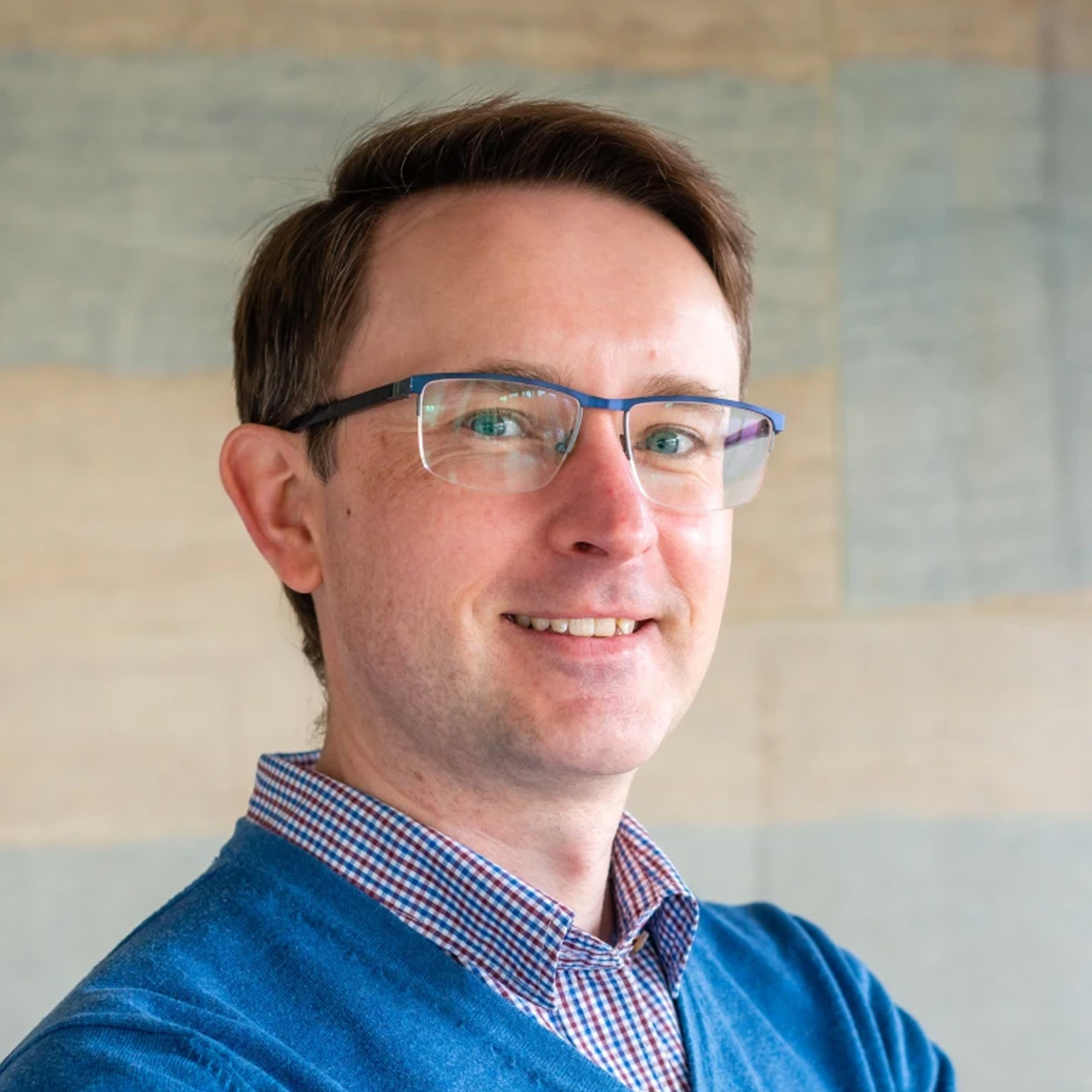
Pascal Vrticka
BIO
Dr Pascal Vrticka is a social neuroscientist whose research explores how close relationships shape the brain, behaviour and wellbeing. As Associate Professor at the University of Essex, he combines cutting-edge neuroscience with real-world applications in parenting, relationships and leadership.
Language(s)
English, German
Areas of expertise
- Attachment
- Social neuroscience
- Attachment-informed leadership
- Leader-follower relationships
- Human connection
- Co-regulation
- Parent-child relationships
- Fatherhood
- Early brain development
- Interpersonal synchrony
- Scientific misconceptions
Profile
Dr Pascal Vrticka (PhD, FHEA) is an Associate Professor at the Centre for Brain Science, Department of Psychology, University of Essex (Colchester, UK), where he leads the Social Neuroscience of Human Attachment (SoNeAt) Lab. His work asks a question that matters well beyond the laboratory: what actually happens in our brains and bodies when we connect with the people we depend on and care for, and what does it cost us when those connections are strained or fail?
Using brain imaging techniques that record two or more people's brain activity simultaneously while they interact, his SoNeAt Lab studies how parents and children, romantic partners, and more recently leaders and their teams, get "in sync" and regulate one another in real time.
He is Scientific Secretary and a member of the Executive Board of the Society for Emotion and Attachment Studies (SEAS), and Coordinating Board President of its Special Interest Research Group on the social neuroscience of human attachment (SIRG SoNeAt).
Trained in biochemistry and neurobiology at ETH Zurich (Switzerland), he completed his PhD in social neuroscience at the Swiss Center for Affective Sciences in Geneva (Switzerland), before research positions at Stanford School of Medicine (California, USA) and the Max Planck Institute for Human Cognitive and Brain Sciences in Leipzig (Germany).
He currently leads the TRIO and SWITCH studies on interpersonal synchrony, the latter part of a €1.5 million international project spanning five universities in four European countries, alongside the LEAD study on leader-follower relationships. The work as part of LEAD underpins his attachment-informed leadership (AIL) framework, which proposes that leadership is best understood not as a set of styles but as an attachment relationship, and that a leader's central task is to become a reliable source of security for the people they lead.
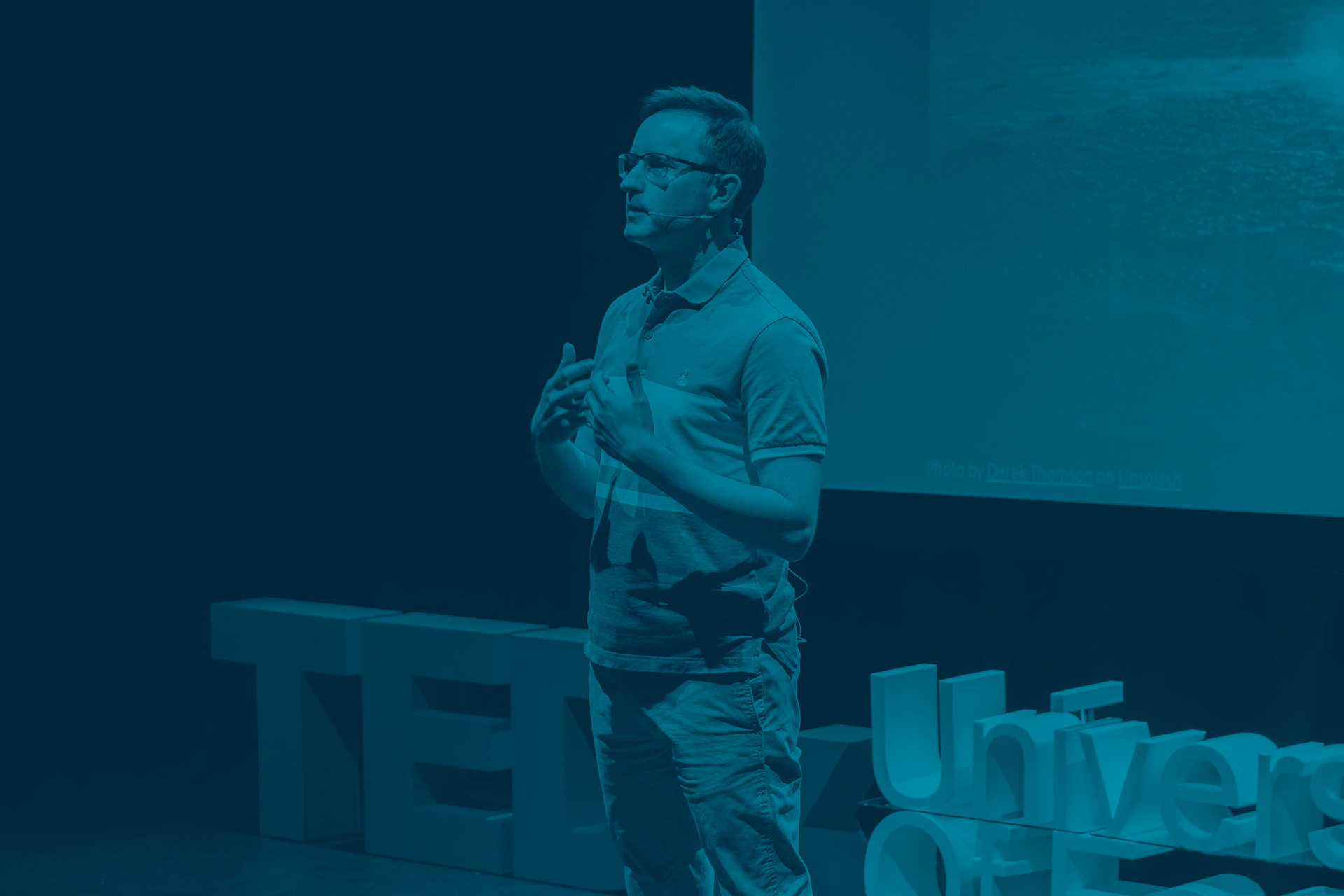
Dr Vrticka speaks regularly to audiences both inside and outside academia. He gave a TEDx talk at the University of Essex in 2022, Caring Dads: The Making of Involved and Confident Fathers, on why fathers matter and what changes in men's brains when they become parents. He has also delivered many in-person and remote lectures, invited talks, and keynotes around the world, including in Europe (Switzerland, the UK, Germany, Belgium, Croatia and others), as well as in Taiwan, Hong Kong, Macau, China and South Korea, and convenes annual international methods workshops at Essex.
As Associate Trustee of the UK charity Babygro, he also co-produced a free illustrated book for parents now used in workshops and professional training programmes, including in Taiwan. He writes for general audiences through The Conversation, his Attachment Insights series, and his Substack publications on attachment science and attachment-informed leadership.
Suggested speaking topics:
- Why we need each other, and what it costs when we cannot rely on others
For any audience - Attachment-informed leadership (AIL): the leader as a regulatory resource
For executive teams, HR and leadership development, NHS boards, school leadership - What babies' brains need, and what parents need to hear
For early years, health visiting, midwifery, family charities, employer parent networks - Fathers are made, not born
For employers, perinatal and family services, policy audiences, fatherhood organisations - The relationship is the intervention
For schools, multi-academy trusts, teacher training, social care, healthcare providers - What we got wrong about the brain, and what replaces it
For CPD providers, therapy and counselling organisations, trauma-informed practice programmes, general audiences - Masterclass: the evidence audit
For organisations that have invested in staff training and want to know whether it is defensible - Attachment, caregiving and the design of AI engagement
For regulators and policy audiences, product and design teams, safeguarding and digital wellbeing leads, employers - When people turn to AI rather than to each other
For general audiences, employers, schools and youth services, health and social care
Types of Engagement
Videos
Recent Appearances
Attached to an AI chatbot? | Attachment Science with Dr Pascal Vrticka, September 2026
Why attachment theory is everywhere right now and how it can help you | BBC News, July 2026
New Study Warns Parents Not To Overdo Attunement With Their Child | Forbes, May 2024
Are dads wired differently? | Why? (Podmasters), December 2023
Attachment and Neural Synchrony | Mommy Brain Revisited, October 2023
Book a Speaker
Need help finding an academic speaker for your next event?